Behind the Statistics: Real Faces of Drunk Driving Tragedies
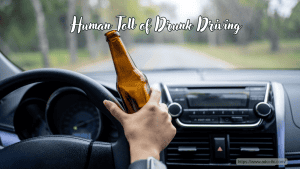 Every year, thousands of lives are lost to drunk driving. To many, the numbers are abstract, a collection of statistics in a report. But behind every statistic is a person, a family, and a community forever changed. Understanding the human cost of drunk driving is critical not only for raising awareness but also for encouraging those struggling with alcohol use to seek help before tragedy strikes.
The Human Toll of Drunk Driving
Drunk driving is a leading cause of preventable injuries and fatalities. Even a small amount of alcohol can impair judgment, slow reaction times, and increase risk-taking behaviors. What starts as a single poor decision—choosing to drive after drinking—can result in catastrophic consequences.
Families are often the first to feel the impact. Losing a loved one or seeing them injured can create emotional scars that last a lifetime. Spouses and partners may experience grief, anger, and fear. Children may face confusion, trauma, and long-term emotional effects. Friends and colleagues also carry the weight of loss or worry.
The ripple effect extends to entire communities. Emergency responders, healthcare professionals, and law enforcement officers encounter the aftermath of these tragedies daily. Beyond the immediate emotional toll, communities bear financial burdens from medical costs, legal proceedings, and rehabilitation services. Every life affected reminds us that drunk driving is more than a personal choice—it is a societal issue.
Stories Behind the Numbers
While statistics can be overwhelming, real-life stories illuminate the gravity of drunk driving. Families share accounts of sudden loss, careers disrupted, and futures forever altered. Survivors recount how one night out turned into months of recovery and legal challenges. Hearing these stories emphasizes the need for awareness, prevention, and compassion for those struggling with alcohol use.
Many of those involved in drunk driving incidents are also dealing with underlying issues such as addiction or mental health struggles. These factors often contribute to impaired decision-making, highlighting the importance of addressing root causes rather than simply punishing behavior.
The Role of Recovery in Prevention
Addressing alcohol misuse is key to preventing drunk driving tragedies. At ADCI LLC, recovery programs are individualized, holistic, and faith-based, ensuring that care addresses the physical, emotional, mental, and spiritual dimensions of addiction. Inpatient and outpatient programs provide structured support, helping individuals develop healthier coping strategies and break the cycle of substance use.
Through personalized treatment, individuals not only work toward sobriety but also regain the ability to make safe, responsible decisions. Family counseling and community support further strengthen recovery, reducing the risk of future incidents and helping rebuild relationships damaged by addiction.
Practical Steps to Reduce Risk
Preventing drunk driving requires conscious effort and planning. Individuals can take proactive steps such as:
-
Using designated drivers or rideshare services
-
Limiting alcohol consumption and knowing personal limits
-
Seeking professional support for alcohol or substance use
-
Encouraging friends and family to prioritize safety
-
Participating in recovery programs to address underlying issues
These actions can prevent one night from turning into a lifetime of regret.
Turning Tragedy into Awareness
Behind every statistic is a human story, and each story reminds us that drunk driving is preventable. Awareness, intervention, and recovery can save lives. If you or a loved one are struggling with alcohol use, reaching out for help is the first step toward protecting yourself, your family, and your community.
At ADCI LLC, compassionate, professional care is available to guide individuals toward recovery, safety, and lasting change. Every step taken today can prevent tomorrow’s tragedy and help reclaim a brighter, healthier future.
Leave a Comment
(0 Comments)