DUI vs. DWI: Understanding the Key Differences

When it comes to impaired driving, two commonly used terms often cause confusion—DUI (Driving Under the Influence) and DWI (Driving While Intoxicated or Impaired). Although they are both serious offenses related to operating a vehicle while impaired, they can differ in legal definitions, severity, and application depending on the state or country. Understanding the key differences between DUI and DWI is important for all drivers, especially when it comes to staying informed about the laws in your jurisdiction.

What Is a DUI?

DUI stands for Driving Under the Influence, typically referring to operating a motor vehicle while under the influence of alcohol, drugs, or any substance that affects your mental or physical faculties. A person can be charged with a DUI even if their blood alcohol concentration (BAC) is below the legal limit of 0.08%, especially if their driving is visibly impaired.

Many states use DUI as a blanket term to describe any situation where a driver’s ability is compromised by a substance. This includes not only alcohol but also illegal drugs, prescription medications, and even over-the-counter medicines that can impair judgment or coordination.

What Is a DWI?

DWI usually stands for Driving While Intoxicated or Driving While Impaired, depending on the state. In many jurisdictions, it refers to driving with a BAC at or above the legal limit (typically 0.08%). In others, DWI is used as a broader term that can include impairment from alcohol, drugs, or both.

Some states differentiate between DUI and DWI based on severity:

  • DWI may be considered the more serious charge, implying a higher level of impairment.

  • DUI could be used for cases involving lower levels of intoxication or first-time offenses.

However, in other places, the terms may be used interchangeably, or one may not be used at all.

State-by-State Variations

The key to understanding DUI vs. DWI lies in the specific laws of the state where the offense occurs. For example:

  • In Texas, DWI typically refers to driving with a BAC of 0.08% or higher, while DUI is used for underage drivers with any detectable amount of alcohol.

  • In New York, DWI is the charge for a BAC of 0.08% or more, while DWAI (Driving While Ability Impaired) is a lesser charge for lower BAC levels (0.05%–0.07%) or for drug impairment.

Due to these variations, it’s important to consult local laws or speak to a legal professional if you’re facing a DUI or DWI charge.

Penalties and Consequences

Whether it’s DUI or DWI, the penalties are serious. They can include:

  • Fines and court costs

  • License suspension or revocation

  • Jail time or probation

  • Mandatory alcohol education or treatment programs

  • Increased insurance premiums

  • Permanent criminal record, especially for repeat offenses

The severity of the penalty often depends on the level of impairment, presence of minors in the vehicle, prior offenses, and whether any accidents occurred.

Conclusion

While DUI and DWI both involve impaired driving, the terms can differ in meaning and severity depending on the laws of your state. Regardless of terminology, both offenses carry serious consequences that can affect your freedom, finances, and future. The best way to avoid trouble is simple: never drive under the influence of alcohol or drugs—no matter how little you’ve had.
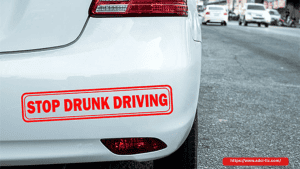
How to Prevent Drunk Driving: Tips for a Safer Community

Drunk driving continues to be a leading cause of traffic accidents, injuries, and fatalities worldwide. Despite public awareness campaigns and strict DUI laws, many individuals still choose to get behind the wheel while impaired. Preventing drunk driving is not just the responsibility of law enforcement—it’s a shared duty among individuals, families, and communities. By working together, we can create safer roads and save lives. Here are some practical tips to help prevent drunk driving and promote a culture of responsible decision-making.

1. Plan Ahead Before Drinking

One of the simplest and most effective ways to prevent drunk driving is to plan ahead. If you’re going out and expect to consume alcohol, make arrangements before you start drinking. Choose a designated driver, book a ride through a ride-sharing app like Uber or Lyft, or use public transportation. Planning removes the temptation to make poor decisions when impaired.

2. Use Designated Drivers

A designated driver is someone who agrees not to drink and is responsible for getting others home safely. Rotating this role among friends can help keep everyone accountable and safe. If no one volunteers, consider using a sober driving service or calling a taxi instead. Having a designated driver is one of the most reliable ways to prevent drunk driving incidents.

3. Host Responsibly

If you’re hosting a party or social event where alcohol is served, take steps to ensure your guests get home safely. Offer non-alcoholic drink options, stop serving alcohol well before the event ends, and arrange alternative transportation if needed. Don’t be afraid to take someone’s keys if they’re clearly unfit to drive—it could save a life.

4. Educate and Advocate

Education plays a key role in changing behaviors. Parents, educators, and community leaders should talk openly about the dangers of drunk driving, especially with teens and young adults. Encourage schools and local organizations to host DUI prevention programs, and support awareness campaigns that promote sober driving.

5. Support Strict DUI Laws and Enforcement

Enforcing strict DUI laws helps deter drunk driving. Support local and national efforts that advocate for strong penalties for offenders, ignition interlock requirements, and sobriety checkpoints. The fear of legal consequences can be a powerful motivator for people to make safer choices.

6. Intervene When Necessary

If you notice someone is about to drive after drinking, speak up. Offer them a ride, call a cab, or help them arrange a safe way home. It might be uncomfortable, but your intervention could prevent a tragedy. Let your friends and family know you care about their safety—and the safety of others on the road.

7. Promote Community Involvement

Communities can come together to reduce drunk driving by organizing safe ride programs, supporting law enforcement efforts, and encouraging local bars and restaurants to provide discounts for designated drivers or offer transportation options for patrons.

Conclusion

Drunk driving is entirely preventable, but it requires a proactive and collective effort. By planning ahead, supporting sober driving, educating others, and standing up when it matters most, we can reduce the risks and build safer communities for everyone. One responsible choice at a time can make a life-saving difference.