Drunk Behind the Wheel: The Reality Too Many Ignore
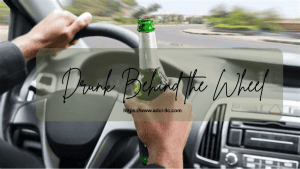
Driving under the influence is not just a legal offense. It is a dangerous choice that can destroy lives in seconds. Yet, far too many people underestimate the risks, thinking they are “fine to drive” after drinking. For individuals struggling with alcohol misuse, this risk is even greater, as impaired decision-making is one of the earliest effects of alcohol. The truth is clear: drunk driving is a preventable tragedy, and breaking free from addiction is an essential step toward safer roads and healthier lives.

The Human Cost of Drunk Driving

Every year, thousands of lives are lost because of alcohol-related crashes. Behind each statistic is a grieving family, a lost future, and pain that ripples through entire communities. The danger is not only to others on the road. Those driving under the influence risk severe injury or death themselves, as well as the lifelong burden of knowing their actions caused harm.

For someone caught in the cycle of alcohol misuse, drunk driving is often a symptom of a deeper struggle. It is rarely just about “one bad decision” and more often the result of an ongoing battle with dependency, stress, and untreated mental health issues.

How Alcohol Affects Driving

Even small amounts of alcohol can impair critical driving skills. Reaction times slow, coordination suffers, and judgment becomes clouded. These changes happen quickly, sometimes after just one drink. Drivers may not feel “drunk,” but their ability to respond to sudden hazards or make safe decisions is already reduced. This false sense of control is one of the most dangerous aspects of driving after drinking.

Addressing the Root Causes: The Role of Recovery

Stopping drunk driving requires more than stricter laws and penalties. It means addressing the underlying issues that lead to substance misuse in the first place. At ADCI LLC, recovery is approached with compassion and expertise, offering both inpatient and outpatient programs designed to meet people where they are.

Treatment plans are individualized, recognizing that no two recovery journeys are the same. A holistic and faith-based approach means healing is not only physical but also mental, emotional, and spiritual. For many, this comprehensive care is the key to breaking free from harmful patterns, including the temptation to drive under the influence.

A Safer Path Forward

Preventing drunk driving starts with personal responsibility and community support. Some practical steps include:

  • Planning ahead with a designated driver or rideshare.

  • Being honest about your level of impairment.

  • Seeking help if you struggle to limit or stop drinking.

  • Encouraging friends and family to make safe choices.

Recovery programs like those at ADCI LLC not only help individuals stop drinking but also give them the tools to rebuild their lives and relationships. This transformation is what ultimately prevents future tragedies.

Conclusion: Choosing Life Over Risk

The reality of drunk driving is simple: it is dangerous, costly, and entirely preventable. For those battling alcohol misuse, it is also a warning sign that deeper help is needed. You do not have to face this struggle alone. With compassionate, personalized care, it is possible to reclaim control, protect yourself and others, and create a future free from the dangers of driving under the influence.

If you or someone you love is ready to take that step, reach out today. Help is available, and change is possible.

One Drink, One Decision: The Deadly Cost of Driving Under the Influence

Every day, people around the world make the dangerous decision to get behind the wheel after drinking—often after convincing themselves they’re “okay to drive” after just one drink. But that single drink can be all it takes to impair judgment, slow reflexes, and change lives forever. Driving under the influence (DUI) is not just a legal offense; it’s a gamble with deadly consequences.

The First Drink and Fading Judgment

The truth is, alcohol begins affecting the brain almost immediately. Even a small amount—one standard drink—can impair mental clarity, decision-making, and coordination. The very functions needed to safely operate a vehicle are the first to be compromised.

That false sense of confidence people feel after a drink is part of the danger. Impaired individuals often believe they are more in control than they actually are. This overconfidence, combined with reduced cognitive ability, leads many to underestimate the risks of driving while impaired.

One Decision, Lifelong Consequences

Consider this: a single poor decision to drive under the influence can result in tragic outcomes such as serious injuries, fatalities, jail time, or permanent criminal records. For the victims and their families, the pain is unimaginable. For the driver, the guilt and consequences can last a lifetime.

Every year, thousands of people die in alcohol-related crashes. According to the National Highway Traffic Safety Administration (NHTSA), nearly 32 people in the U.S. die every day due to drunk driving. That’s one person every 45 minutes—lives lost because of one avoidable choice.

The Financial and Legal Toll

Even if a DUI incident doesn’t result in a crash, the legal and financial repercussions are significant. A first-time DUI offense can cost upwards of $10,000 when factoring in fines, court costs, attorney fees, increased insurance premiums, and mandatory education or treatment programs. Offenders may also face license suspension, community service, or jail time.

Additionally, a DUI conviction stays on your record and can affect employment, travel, and professional licensing, especially in careers requiring background checks or driving.

A Wake-Up Call and an Opportunity

For some, a DUI serves as a wake-up call. It forces individuals to confront their drinking habits and take responsibility for their actions. Many turn to support groups, therapy, or recovery programs to change their lives. While the road to redemption is difficult, it’s never too late to make a better decision.

Safe Choices Save Lives

Preventing DUI is easier than most people think. Options like designated drivers, rideshare apps, public transportation, or simply staying put can make all the difference. Planning ahead is key—because once the first drink is consumed, judgment is already impaired.

Conclusion

Driving under the influence doesn’t always begin with multiple drinks. Sometimes, it starts with just one. That one drink leads to one poor decision, and sometimes, one irreversible consequence. The cost of driving drunk is far too high—not just in dollars, but in lives. Make the responsible choice before it’s too late.

The Road to Recovery: How a DUI Can Be a Wake-Up Call

A DUI (Driving Under the Influence) arrest is often one of the most stressful and life-changing events a person can experience. The legal, financial, and emotional consequences are immediate and severe, leaving many to feel ashamed, frightened, or defeated. However, for some, a DUI can also serve as a much-needed wake-up call—a pivotal moment that sparks personal growth, reflection, and ultimately, recovery.

Facing the Consequences

When someone is charged with a DUI, the reality of their actions hits hard. They face not just legal penalties like fines, license suspension, and possible jail time, but also personal consequences such as damaged relationships, job loss, and social stigma. These consequences often highlight deeper issues, such as a problematic relationship with alcohol or substance abuse. For many, this harsh reality check is the first step toward recognizing the need for change.

Understanding the Underlying Problem

A DUI doesn’t happen in isolation. It’s often a symptom of underlying issues that have gone unaddressed—whether it’s alcohol dependency, poor coping mechanisms, or a pattern of risky behavior. A DUI arrest forces individuals to examine their choices and consider how alcohol or substance use may be affecting their lives beyond just this one incident.

Acknowledging these issues can be painful, but it’s also a crucial part of recovery. Real change begins with self-awareness and a willingness to face the truth.

Turning a Crisis into an Opportunity

While the aftermath of a DUI can feel overwhelming, it can also provide a powerful opportunity to reset. Courts often mandate DUI education programs, counseling, or substance abuse treatment as part of sentencing. Though these requirements may feel like punishment, they can actually become valuable tools for personal growth. Participants learn about the risks of impaired driving, the effects of alcohol on the body, and healthier ways to cope with stress and emotions.

Some individuals use this time to join support groups such as Alcoholics Anonymous (AA) or seek therapy. These steps not only help prevent future DUIs but can also lead to long-term recovery from addiction and the rebuilding of healthier lifestyles.

Rebuilding Life After a DUI

Recovery after a DUI involves more than just quitting drinking or avoiding driving under the influence. It means taking responsibility for past actions, making amends where possible, and creating a new path forward. This may include setting new goals, repairing damaged relationships, and finding new ways to enjoy life without alcohol.

For many, a DUI serves as the catalyst for a complete life transformation. It provides a clear message: the current path is dangerous and unsustainable. The good news is that change is possible, and countless individuals have turned their lives around after a DUI.

Conclusion

A DUI arrest is undoubtedly serious, but it doesn’t have to define a person’s life. When approached with honesty and commitment, it can serve as a turning point—a wake-up call that leads to recovery, growth, and a renewed sense of purpose. The road to recovery starts with one decision: to change for the better.

Alternatives to Driving Drunk: Safe Ways to Get Home

Every year, thousands of lives are lost due to drunk driving—an entirely preventable tragedy. Despite the known dangers, some people still take the risk of getting behind the wheel after drinking. Whether it’s overconfidence, poor planning, or a false sense of sobriety, these decisions can lead to devastating consequences. The good news is that there are many safe and convenient alternatives to driving drunk. By knowing your options ahead of time, you can protect yourself and others while still enjoying a night out.

1. Designated Driver

One of the most effective and time-tested alternatives is the designated driver system. This involves selecting someone in your group who agrees not to drink and is responsible for getting everyone home safely. It’s a simple solution that requires just a bit of planning. If you regularly go out with the same friends, consider rotating the role to keep it fair.

2. Rideshare Services

With the rise of apps like Uber, Lyft, and Grab, finding a safe ride home has never been easier. These services are available in most urban and suburban areas, and they operate around the clock. While some may see the cost as a downside, it pales in comparison to the legal fees, fines, and potential harm that come with a DUI. A $20 rideshare fee is a small price to pay for safety.

3. Public Transportation

If you’re in a city with buses, trains, or subways that run late, public transit can be a reliable way to get home. While it may not drop you off right at your doorstep, it’s far safer than attempting to drive under the influence. Check schedules in advance so you know your options before going out.

4. Taxi Services

Traditional taxicabs are still a dependable option, especially in places where rideshare apps might not be available. Save the number of a local cab company in your phone or keep some cash on hand just in case. Many bars and restaurants also have partnerships with taxi services to help ensure their patrons get home safely.

5. Stay the Night

If you’re at a friend’s house or a party, staying overnight is often the safest and most practical option. Bringing a change of clothes or planning to crash on the couch can be a smart decision if you anticipate drinking. This eliminates the pressure to drive and gives you time to sober up completely before heading home.

6. Walk—If It’s Safe

In some situations, walking home may be a viable alternative, especially if you live nearby. However, it’s important to assess whether the route is safe and well-lit. Keep in mind that alcohol impairs coordination and judgment, so walking while intoxicated can still carry risks, especially near busy roads or in unfamiliar areas.

7. Call a Friend or Family Member

If you’re ever unsure about how to get home safely, don’t hesitate to call someone you trust. Most friends or family members would rather get a late-night phone call than find out you were involved in an accident or arrested for DUI.

Conclusion

Driving drunk is never worth the risk—not to your life, your future, or the lives of others. With so many safe and accessible alternatives available today, there’s no excuse to get behind the wheel while impaired. Plan ahead, make responsible choices, and encourage others to do the same. One good decision can save lives.

Alcohol and Judgment: Why Even One Drink Can Be Too Many

Many people believe that having just one drink before driving is harmless. After all, if you’re not “drunk,” you should be fine—right? The truth is, even a single alcoholic beverage can impair your judgment, slow your reaction time, and compromise your ability to drive safely. The effects of alcohol on the brain start immediately, and the risks begin long before you feel or appear intoxicated.

How Alcohol Affects Judgment

Judgment is one of the first mental functions affected by alcohol. The prefrontal cortex, the part of the brain responsible for reasoning, decision-making, and self-control, becomes less active even at low blood alcohol concentrations (BAC). This means that after just one drink, a person may feel more confident and relaxed—but in reality, their ability to assess risk and make sound decisions is already declining.

For example, someone who has had only one drink may convince themselves they’re okay to drive, underestimate their level of impairment, or take risks they wouldn’t normally consider, such as speeding or texting while driving.

The Myth of “One Drink” Safety

It’s a common myth that one drink won’t impair your ability to drive. In reality, impairment can begin at a BAC as low as 0.02%, which typically occurs after just one standard drink (such as a 12-ounce beer, a 5-ounce glass of wine, or a 1.5-ounce shot of liquor). At this level, people may experience a decline in visual function, reduced ability to track moving objects, and some loss of judgment.

By the time BAC reaches 0.05%, drivers can experience reduced coordination, slower reaction times, and difficulty steering. While the legal limit for driving in many countries, including the U.S., is 0.08%, the truth is that any amount of alcohol can compromise driving ability.

Other Factors That Increase Risk

Alcohol affects people differently based on factors such as body weight, metabolism, gender, age, and whether they’ve eaten recently. What feels like “just one drink” to one person may impact another much more strongly. Additionally, combining alcohol with certain medications or fatigue can significantly increase the effects of impairment, even if you’ve only had a small amount.

Real-World Consequences

Even a small lapse in judgment caused by alcohol can lead to tragic consequences. Countless accidents, injuries, and fatalities occur every year because someone thought they were “just fine” to drive after one or two drinks. Aside from the physical danger, being pulled over with a BAC below the legal limit can still result in a DUI charge if your driving appears impaired.

The Safer Choice

There’s no safe amount of alcohol to consume before driving. If you plan to drink, the best approach is to plan ahead—use a designated driver, call a cab or rideshare service, or stay where you are until you’re sober. Making this choice can prevent accidents, save lives, and protect your future.

Conclusion

Alcohol impairs judgment from the very first sip. While it may not feel like much, even one drink can be too many when it comes to making safe decisions. Don’t gamble with your life—or someone else’s. When in doubt, don’t drive.

DUI vs. DWI: Understanding the Key Differences

When it comes to impaired driving, two commonly used terms often cause confusion—DUI (Driving Under the Influence) and DWI (Driving While Intoxicated or Impaired). Although they are both serious offenses related to operating a vehicle while impaired, they can differ in legal definitions, severity, and application depending on the state or country. Understanding the key differences between DUI and DWI is important for all drivers, especially when it comes to staying informed about the laws in your jurisdiction.

What Is a DUI?

DUI stands for Driving Under the Influence, typically referring to operating a motor vehicle while under the influence of alcohol, drugs, or any substance that affects your mental or physical faculties. A person can be charged with a DUI even if their blood alcohol concentration (BAC) is below the legal limit of 0.08%, especially if their driving is visibly impaired.

Many states use DUI as a blanket term to describe any situation where a driver’s ability is compromised by a substance. This includes not only alcohol but also illegal drugs, prescription medications, and even over-the-counter medicines that can impair judgment or coordination.

What Is a DWI?

DWI usually stands for Driving While Intoxicated or Driving While Impaired, depending on the state. In many jurisdictions, it refers to driving with a BAC at or above the legal limit (typically 0.08%). In others, DWI is used as a broader term that can include impairment from alcohol, drugs, or both.

Some states differentiate between DUI and DWI based on severity:

  • DWI may be considered the more serious charge, implying a higher level of impairment.

  • DUI could be used for cases involving lower levels of intoxication or first-time offenses.

However, in other places, the terms may be used interchangeably, or one may not be used at all.

State-by-State Variations

The key to understanding DUI vs. DWI lies in the specific laws of the state where the offense occurs. For example:

  • In Texas, DWI typically refers to driving with a BAC of 0.08% or higher, while DUI is used for underage drivers with any detectable amount of alcohol.

  • In New York, DWI is the charge for a BAC of 0.08% or more, while DWAI (Driving While Ability Impaired) is a lesser charge for lower BAC levels (0.05%–0.07%) or for drug impairment.

Due to these variations, it’s important to consult local laws or speak to a legal professional if you’re facing a DUI or DWI charge.

Penalties and Consequences

Whether it’s DUI or DWI, the penalties are serious. They can include:

  • Fines and court costs

  • License suspension or revocation

  • Jail time or probation

  • Mandatory alcohol education or treatment programs

  • Increased insurance premiums

  • Permanent criminal record, especially for repeat offenses

The severity of the penalty often depends on the level of impairment, presence of minors in the vehicle, prior offenses, and whether any accidents occurred.

Conclusion

While DUI and DWI both involve impaired driving, the terms can differ in meaning and severity depending on the laws of your state. Regardless of terminology, both offenses carry serious consequences that can affect your freedom, finances, and future. The best way to avoid trouble is simple: never drive under the influence of alcohol or drugs—no matter how little you’ve had.

How to Prevent Drunk Driving: Tips for a Safer Community

Drunk driving continues to be a leading cause of traffic accidents, injuries, and fatalities worldwide. Despite public awareness campaigns and strict DUI laws, many individuals still choose to get behind the wheel while impaired. Preventing drunk driving is not just the responsibility of law enforcement—it’s a shared duty among individuals, families, and communities. By working together, we can create safer roads and save lives. Here are some practical tips to help prevent drunk driving and promote a culture of responsible decision-making.

1. Plan Ahead Before Drinking

One of the simplest and most effective ways to prevent drunk driving is to plan ahead. If you’re going out and expect to consume alcohol, make arrangements before you start drinking. Choose a designated driver, book a ride through a ride-sharing app like Uber or Lyft, or use public transportation. Planning removes the temptation to make poor decisions when impaired.

2. Use Designated Drivers

A designated driver is someone who agrees not to drink and is responsible for getting others home safely. Rotating this role among friends can help keep everyone accountable and safe. If no one volunteers, consider using a sober driving service or calling a taxi instead. Having a designated driver is one of the most reliable ways to prevent drunk driving incidents.

3. Host Responsibly

If you’re hosting a party or social event where alcohol is served, take steps to ensure your guests get home safely. Offer non-alcoholic drink options, stop serving alcohol well before the event ends, and arrange alternative transportation if needed. Don’t be afraid to take someone’s keys if they’re clearly unfit to drive—it could save a life.

4. Educate and Advocate

Education plays a key role in changing behaviors. Parents, educators, and community leaders should talk openly about the dangers of drunk driving, especially with teens and young adults. Encourage schools and local organizations to host DUI prevention programs, and support awareness campaigns that promote sober driving.

5. Support Strict DUI Laws and Enforcement

Enforcing strict DUI laws helps deter drunk driving. Support local and national efforts that advocate for strong penalties for offenders, ignition interlock requirements, and sobriety checkpoints. The fear of legal consequences can be a powerful motivator for people to make safer choices.

6. Intervene When Necessary

If you notice someone is about to drive after drinking, speak up. Offer them a ride, call a cab, or help them arrange a safe way home. It might be uncomfortable, but your intervention could prevent a tragedy. Let your friends and family know you care about their safety—and the safety of others on the road.

7. Promote Community Involvement

Communities can come together to reduce drunk driving by organizing safe ride programs, supporting law enforcement efforts, and encouraging local bars and restaurants to provide discounts for designated drivers or offer transportation options for patrons.

Conclusion

Drunk driving is entirely preventable, but it requires a proactive and collective effort. By planning ahead, supporting sober driving, educating others, and standing up when it matters most, we can reduce the risks and build safer communities for everyone. One responsible choice at a time can make a life-saving difference.

The Cost of a DUI: Financial, Legal, and Personal Consequences

A DUI (Driving Under the Influence) conviction is more than just a traffic ticket—it can be one of the most expensive and life-disrupting mistakes a person makes. Many drivers don’t realize the full impact of a DUI until it’s too late. The consequences extend far beyond fines and court appearances, affecting finances, freedom, relationships, and future opportunities. Understanding the true cost of a DUI can help people think twice before getting behind the wheel while impaired.

Financial Costs: It Adds Up Quickly

A first-time DUI offense can cost anywhere from $10,000 to $20,000 or more, depending on the state and circumstances. Here’s how those costs break down:

  • Fines and Court Fees: These can range from $500 to $2,000, but they’re just the beginning.

  • Attorney Fees: Hiring a DUI attorney can cost between $2,000 and $10,000, depending on the complexity of the case.

  • Increased Insurance Premiums: A DUI can cause your car insurance to double or triple, adding thousands of dollars over several years.

  • Ignition Interlock Devices: Many offenders are required to install a breathalyzer system in their car, costing $70–$150 for installation and $60–$100 per month for maintenance.

  • Towing and Impound Fees: If you’re arrested, your car may be towed and impounded, costing a few hundred dollars more.

  • DUI Classes and Treatment Programs: Courts often mandate alcohol education or rehab programs, which can cost anywhere from $300 to over $1,000.

These expenses come at a time when many people are already under financial stress, making the impact even more devastating.

Legal Consequences: More Than Just a Fine

The legal consequences of a DUI depend on your location, prior offenses, and whether the DUI caused injury or death. Common penalties include:

  • License Suspension: First-time offenders typically lose their license for six months to a year.

  • Probation or Jail Time: You may face several days to months in jail or probation depending on the circumstances.

  • Permanent Criminal Record: A DUI is a criminal offense in most states and can show up on background checks, affecting employment, housing, and more.

  • Felony Charges: If someone is injured or killed, or if it’s your third or fourth offense, you could face felony charges, which carry much harsher penalties—including years in prison.

Personal Consequences: The Hidden Costs

Beyond the financial and legal burden, DUI convictions come with emotional and social consequences that can last a lifetime:

  • Reputation Damage: A DUI can damage your reputation among friends, coworkers, and family.

  • Employment Issues: Many employers won’t hire someone with a criminal record, especially in jobs requiring driving or trust.

  • Family Stress: The strain of a DUI conviction can lead to conflict, separation, or even divorce, especially when financial and legal pressures mount.

  • Mental Health Effects: Guilt, shame, and stress often accompany a DUI, leading to anxiety, depression, or substance abuse in some cases.

Conclusion

The cost of a DUI is far greater than most people imagine. It affects your wallet, your record, your relationships, and your future. With so many safe alternatives—ride-sharing, public transit, designated drivers—there’s never a good reason to drink and drive. The risks simply aren’t worth it.

From Party to Prison: Real-Life Stories of DUI Consequences

Every night, someone makes the decision to drive home after a party, believing they’re “just fine” or “only had a few drinks.” But for many, that one poor choice ends in tragedy. Driving under the influence (DUI) is not just a traffic violation—it’s a serious crime with life-altering consequences. From devastating accidents to years behind bars, real-life DUI stories show just how quickly a night of fun can turn into a lifelong nightmare.

A Night Out Gone Wrong

Consider the story of Jason, a 24-year-old college graduate who went out with friends to celebrate a new job. After a few drinks, he insisted he was okay to drive. Minutes after leaving the bar, he ran a red light and crashed into another car. The driver of the other vehicle, a 36-year-old mother of two, was killed instantly.

Jason was arrested at the scene and charged with DUI manslaughter. He was later sentenced to 10 years in prison. In court, he tearfully apologized to the victim’s family, but the damage was already done. One night of drinking cost a woman her life—and Jason his freedom, future, and peace of mind.

The Ripple Effect of a DUI Arrest

Emily, a 32-year-old nurse, was pulled over for swerving on the highway after leaving a friend’s birthday party. Her blood alcohol concentration (BAC) was 0.10%, just over the legal limit. She didn’t cause an accident, but the DUI charge was enough to turn her life upside down.

As a licensed healthcare worker, Emily was required to report her arrest to the state nursing board. Her license was suspended pending investigation, and she lost her job. In addition to paying thousands in fines, legal fees, and DUI classes, she faced social embarrassment and had to move back in with her parents to recover financially.

Emily’s story is a harsh reminder that you don’t have to crash to face life-changing consequences from a DUI.

A Second Chance—But at What Cost?

Marcus, 40, had two prior DUI offenses. On his third, he was caught driving with a suspended license and a BAC of 0.18%. Because of his record, he was charged with a felony and faced mandatory jail time.

Marcus spent 18 months in state prison and was ordered to attend a long-term alcohol rehabilitation program upon release. While he eventually got sober and now speaks to high school students about the dangers of drunk driving, the experience cost him his job, marriage, and custody of his children.

What These Stories Teach Us

Each of these real-life examples shows that DUI doesn’t just affect the driver—it devastates families, careers, and communities. A single decision can lead to death, imprisonment, financial ruin, and emotional trauma.

The Bottom Line

Drinking and driving is never worth the risk. Whether you’re heading home from a bar, a friend’s house, or a celebration, always have a plan. Call a rideshare service, stay the night, or choose a designated driver. These stories are not rare—they’re painfully common. Don’t become another tragic example.

How Alcohol Impairs Driving: The Science Behind DUI

Driving under the influence (DUI) is a leading cause of road accidents, injuries, and fatalities worldwide. Alcohol consumption significantly impairs a person’s ability to operate a vehicle safely, affecting key brain functions such as judgment, coordination, reaction time, and vision. Even small amounts of alcohol can have dangerous effects, making it crucial to understand the science behind DUI and why it poses such a serious risk.

How Alcohol Affects the Brain and Body

Alcohol is a central nervous system depressant, meaning it slows down brain activity and bodily functions. The effects begin almost immediately after consumption, influencing both mental and physical capabilities essential for safe driving. Here’s how alcohol impairs driving ability at different levels:

  1. Reduced Judgment and Decision-Making
    The prefrontal cortex, the part of the brain responsible for reasoning and judgment, is one of the first areas affected by alcohol. Impaired judgment can lead drivers to take risks they wouldn’t normally take, such as speeding, tailgating, or running red lights.

  2. Slower Reaction Time
    Alcohol delays the brain’s ability to process information and respond quickly. This means that if a driver encounters an unexpected situation—such as a pedestrian crossing or another vehicle stopping suddenly—they may not react in time to avoid a collision.

  3. Poor Coordination and Motor Skills
    Driving requires fine motor skills and hand-eye coordination. Alcohol disrupts these functions by affecting the cerebellum, the part of the brain responsible for balance and movement. As a result, intoxicated drivers may struggle to steer properly, maintain their lane, or even keep their foot on the brake pedal.

  4. Blurred Vision and Reduced Depth Perception
    The occipital lobe, which processes visual information, is also impacted by alcohol. This can lead to blurred vision, difficulty focusing, and reduced ability to judge distances. Impaired drivers may not see road signs, traffic lights, or obstacles clearly, increasing the risk of accidents.

  5. Drowsiness and Lack of Focus
    Alcohol increases fatigue and drowsiness, making drivers more likely to lose focus or even fall asleep behind the wheel. Long reaction times and an inability to stay alert are among the leading causes of DUI-related crashes.

Blood Alcohol Concentration (BAC) and Its Effects on Driving

Blood Alcohol Concentration (BAC) measures the amount of alcohol in a person’s bloodstream. Different BAC levels correspond to varying degrees of impairment:

  • 0.02% BAC – Slight relaxation and altered mood, but minor effects on driving ability.
  • 0.05% BAC – Reduced coordination, lowered alertness, and difficulty steering.
  • 0.08% BAC (Legal Limit in the U.S.) – Impaired reaction time, poor judgment, and trouble concentrating.
  • 0.15% BAC or higher – Severe motor impairment, inability to maintain control of the vehicle, and extreme risk of crashing.

Even at BAC levels below the legal limit, driving ability can be compromised. That’s why it’s always safest to avoid driving after consuming any alcohol.

Why Even “Buzzed” Driving is Dangerous

Some drivers believe that having just one or two drinks before driving is safe. However, studies show that even low levels of alcohol can impair critical driving skills. Buzzed driving—operating a vehicle with a BAC below 0.08%—still increases the likelihood of an accident.

The Deadly Consequences of Alcohol-Impaired Driving

DUI is responsible for nearly one-third of all traffic-related deaths in the U.S. each year. These accidents often result in severe injuries, permanent disabilities, and devastating losses for families.

How to Prevent DUI

  • Use a designated driver or ride-sharing service like Uber or Lyft.
  • Stay overnight if you’ve been drinking.
  • Encourage friends and family to make safe choices.
  • Support DUI prevention programs and strict law enforcement.

Conclusion

Alcohol significantly impairs brain function, reaction time, and motor skills, making it extremely dangerous to drive under the influence. Even a small amount of alcohol can increase the risk of a crash. The science behind DUI is clear: driving after drinking is a reckless decision that puts everyone on the road in danger. The best choice is always to find a safe alternative and never drive while impaired.